Not necessarily. In Minnesota, the answer changes depending on what you mean by “buy a gun.” A purchase, a Permit to Purchase, and a Permit to Carry are related subjects, but they are not the same process. Mixing them together is how a simple first-time question turns into an unnecessary class, a wasted dealer trip, or bad advice from a well-meaning friend.
This guide separates those paths in plain language. It explains when training is legally part of the plan, when it is a smart voluntary step, and what to confirm before you spend money. It is general information, not personal legal advice. If your eligibility, a specific firearm, or a private or interstate transfer raises a question, pause and ask the dealer handling the transaction or a qualified attorney.
The short answer: buying and carrying are different decisions
Training is not listed as a standard requirement for a Minnesota Permit to Purchase. That permit is used for the state purchase and transfer rules that apply to covered firearms. The Hennepin County Sheriff's Permit to Purchase instructions, for example, focus on the completed application and current identification. Your local agency may have its own filing details, so use its current instructions before submitting anything.
A Minnesota Permit to Carry is different. Under Minnesota Statute 624.714, an applicant must have training in the safe use of a pistol. That training has to be completed within one year before an original or renewal application. In other words, a class is a legal part of applying to carry a pistol in public, not a universal prerequisite to owning a firearm.
A valid Permit to Carry can also function as a transferee permit for the covered purchase rules. That can make the two processes look interchangeable from the outside. They are not. The carry permit comes with its own eligibility, county application, training, and responsibility requirements. Choose that path because carrying is your real goal, not because someone told you every buyer must first take a class.
Start with the purchase question you actually have
Before signing up for a course or visiting a dealer, describe the decision accurately. Are you looking at a pistol, a standard rifle, an ordinary shotgun, or a firearm that may fall into a different regulated category? Is the transfer through a licensed dealer, a private seller, or across state lines? Those facts determine which rules deserve attention.
For a detailed walkthrough of dealer and private-sale paths, use our Minnesota firearm-purchase guide. It explains the distinction between standard long guns and the firearms covered by Minnesota's purchase-permit rules, along with dealer paperwork and transfer records. If the question is specifically about an ordinary long gun, the Minnesota shotgun permit guide is a useful starting point.
For a covered purchase where a Permit to Purchase is the right route, the application is not a substitute for a carry class, and a carry class is not automatically necessary for the purchase permit. The Permit to Purchase guide lays out where to apply, the usual decision timeline, and how long the permit remains valid. Keep the purchase path focused on the purchase question.
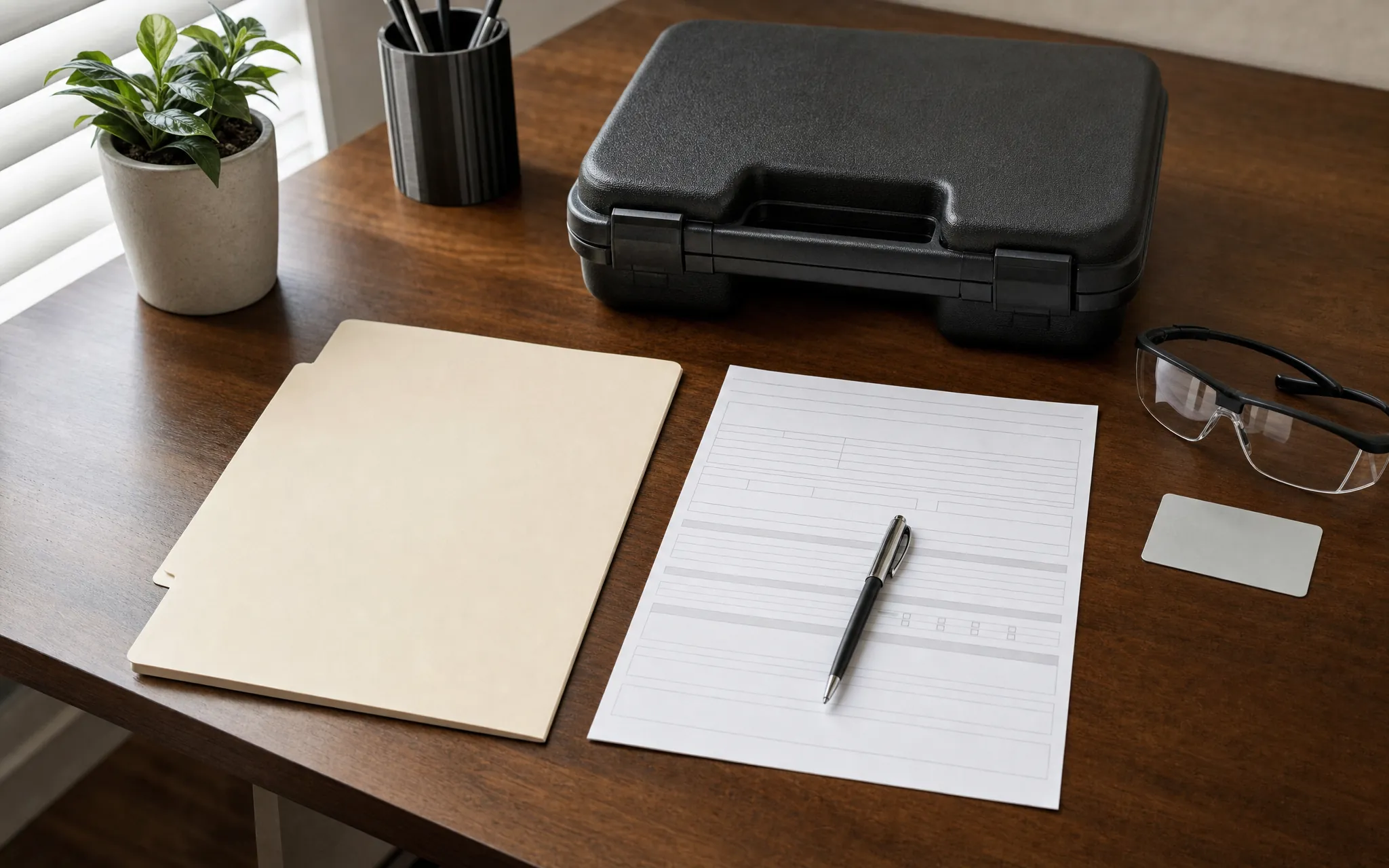
There is a practical reason to be precise: a dealer can help identify the process for an actual make and model, but cannot turn a vague description into a reliable answer. Bring the product listing or the exact details. Be honest on every form, follow the dealer's instructions, and do not try to work around a pause or a denied transfer by having another person buy the firearm for you.
When Minnesota training becomes a legal requirement
Training becomes mandatory when you apply for a Minnesota Permit to Carry. The statute requires evidence of training in the safe use of a pistol completed within one year of the application. It is not just a classroom attendance rule. The statutory minimum includes pistol-use fundamentals, a successful live-fire qualification exercise, and instruction on the legal aspects of possession, carry, use, self-defense, and restrictions on deadly force.
That is why it is a mistake to wait until the day before a sheriff appointment to think about training. A permit applicant needs time to complete a legitimate course, receive the certificate, review the application, and confirm the county's current filing instructions. Our Minnesota Permit to Carry requirements checklist breaks the application sequence into manageable steps, while the application guide focuses on what to bring to the sheriff.
Training is also current only for a limited window. A certificate that is more than one year old when you submit an original or renewal application does not meet the statute's timing requirement. People renewing can use the Minnesota renewal guide to plan the 90-day filing window and avoid leaving that timing until the last minute.
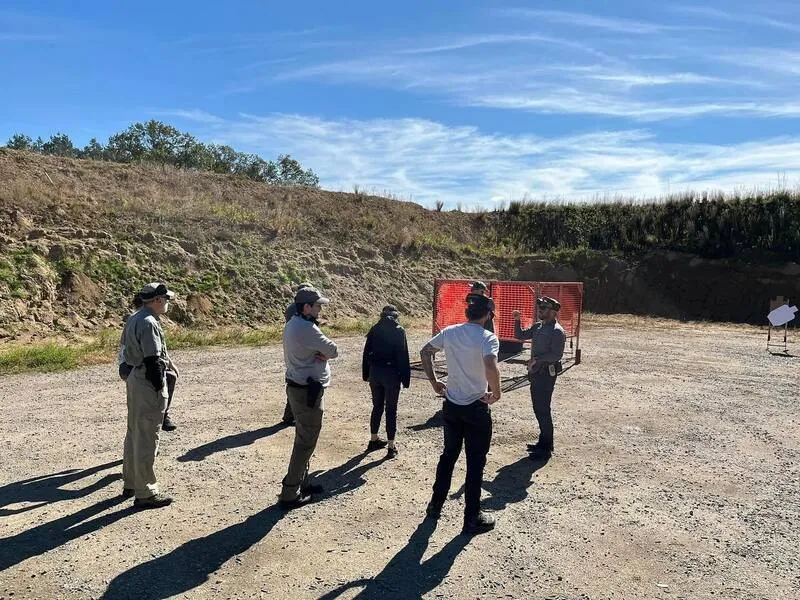
A completed course does not guarantee a permit or change the laws around a particular situation. It establishes one part of the application. Eligibility, the application, required payment, and the sheriff's review still matter. Treat training as preparation for responsible carry, not as a shortcut around the rest of the process.
Why voluntary training still matters before a purchase
“Not legally required to buy” should not be confused with “not worth doing.” A new owner may benefit from instruction before or after a purchase, especially when choosing a first pistol, learning safe storage, or deciding whether carrying is a future goal. Training can make the first range visit less intimidating and help a person develop habits before handling becomes routine.
Good beginner instruction should cover safe handling, storage, loading and unloading, range etiquette, and how to stop when something is unclear. It should make room for questions. It should never pressure someone into a purchase, a carry permit, or a level of activity they do not feel ready for. The right class gives a student a foundation, then lets them decide what responsible next step fits their situation.
That is particularly important when the purchase decision is being made for home protection. Owning a firearm does not make someone automatically prepared to store it securely, handle it under stress, or understand the serious legal and personal consequences of using force. If that is part of your decision, slow down. Build skill deliberately and talk through your goals with a qualified instructor.
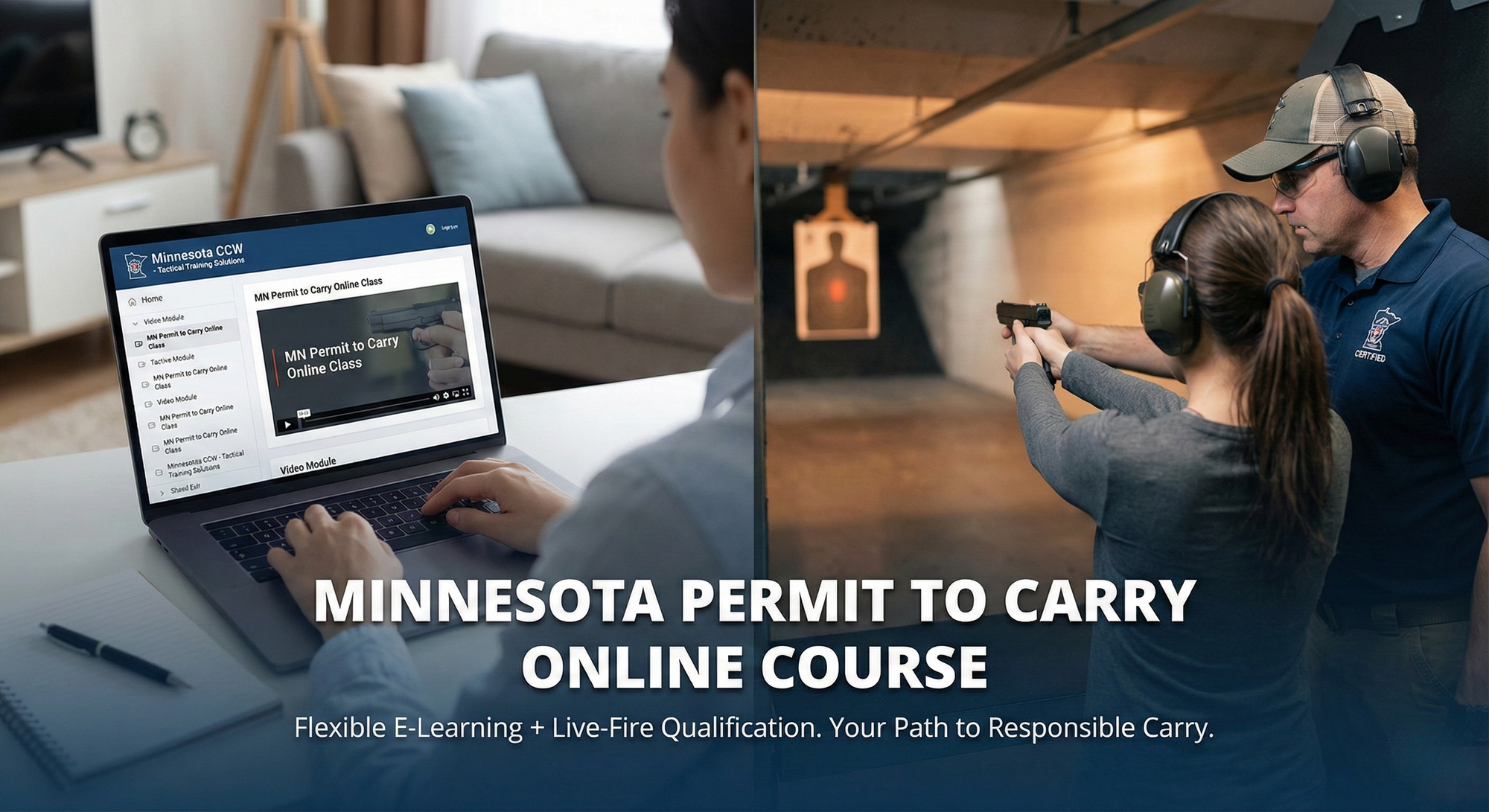
The same principle applies to a person who only wants a Permit to Purchase today. There is no need to force a carry-permit route onto that decision. But if you think you may eventually carry a pistol in public, learning the Minnesota carry rules and building safe habits early can make that later decision clearer.
Four mistakes that create unnecessary confusion
Assuming every firearm follows the same purchase rule. Minnesota's rules depend on the firearm and the transaction. A standard long gun, a pistol, and a firearm with a different legal classification can lead to different questions. Start with the exact make and model, not a broad label such as “home-defense gun” or “tactical shotgun.”
Confusing a Permit to Purchase with permission to carry. A purchase permit helps with covered transfers. It does not authorize carrying a pistol in public. If carrying is the goal, read the full Minnesota Permit to Carry course path and the state requirements before you make a plan around a class certificate.
Taking a class too early for a carry application. A course can be valuable at any time, but the certificate used for an original or renewal Permit to Carry application must be within one year of filing. If you know you will not apply for some time, choose voluntary beginner instruction now and schedule the qualifying course when your application plan is real.
Letting urgency replace a careful process. A sale, a promotion, or a friend's advice can make a buyer feel they need to decide quickly. Responsible ownership works better when the buyer has time to confirm the process, arrange secure storage, and choose training that fits the goal. A dealer who takes questions seriously is part of that process, not an obstacle to it.
None of these points require someone to become an expert before buying anything. They simply keep the next step honest. Identify the goal, use a current official source, and get qualified help when the facts are personal or unclear.
A simple decision path before you spend money
- Name the goal. Are you buying a firearm, applying for a Permit to Purchase, or planning to carry a pistol in public? Write down the actual decision instead of starting with a course advertisement.
- Identify the firearm and sale type. Save the exact dealer listing or ask for the make and model. Confirm whether the sale is through a licensed dealer, a private person, or an out-of-state seller.
- Check the appropriate current source. For a purchase permit, use your local law-enforcement agency's instructions. For a carry permit, use your county sheriff and the statutory requirements. A search result can help you find the right source, but it cannot replace it.
- Choose training for the right reason. Take required training before a carry-permit application. Take voluntary training when you want practical, safe instruction. Do not assume it is required for every purchase.
- Let the dealer and official process do their jobs. Complete paperwork truthfully, bring the requested identification, and stop for professional help whenever an eligibility or transfer question is not clear.
This approach takes a little longer than asking for a yes-or-no answer online, but it protects you from treating a general rule as a personal clearance. It also helps you invest in training when it will actually support the goal you have.
How Tactical Training Solutions can help
Tactical Training Solutions is built for Minnesotans who are preparing to carry responsibly, not for people looking to check a box and rush through a decision. The Permit to Carry course covers the online classroom portion, followed by the required in-person qualification. That structure gives students time to work through the material before the live-fire step.
If you are still deciding whether a carry permit is right for you, start with the course details and the instructor credentials, then choose training when you are ready. If your only goal is a purchase permit, use the correct local application path instead. Clear guidance beats selling a class to someone who does not need it.
Explore the Permit to Carry courseFrequently asked questions
Do I need firearms training to get a Minnesota Permit to Purchase?
Training is not part of the standard Permit to Purchase application. That permit is a purchase and transfer document, not a carry permit. The local agency handling the application can confirm its current identification and filing instructions.
Do I need training before I buy a handgun in Minnesota?
A purchase can involve a Minnesota Permit to Purchase or a valid Permit to Carry, plus the dealer or transfer process that applies. Training becomes a legal requirement when a person applies for a Minnesota Permit to Carry, not simply because they are buying a firearm.
Can a Minnesota Permit to Carry also work as a purchase permit?
Yes. Minnesota law treats a valid Permit to Carry as a transferee permit for the covered purchase and transfer rules. It does not replace the dealer's paperwork, a background check, or any other rule that applies to the specific transaction.
What does Minnesota Permit to Carry training include?
For an original or renewal application, the training must be completed within one year and include basic pistol-use instruction, a successful live-fire qualification exercise, and legal instruction on possession, carrying, use, self-defense, and deadly-force restrictions.