
People often search for a Minnesota concealed carry permit, but Minnesota calls it a Permit to Carry. The name matters because the permit is not a shortcut around safe handling, location rules, or personal legal questions. It is a state process with a clear order: confirm that the permit fits your goal, complete qualifying training, prepare the right application packet, and apply through the correct sheriff. Taking the steps in order makes the process less stressful and gives you time to verify the details that apply to your situation.
This guide is a practical first-time roadmap, not legal advice. For a question about your own criminal history, court order, immigration status, or firearm-possession rights, talk with a qualified attorney before relying on a general checklist.
1. Start with the right Minnesota permit
A Minnesota Permit to Carry is different from a Permit to Purchase. A Permit to Purchase relates to certain firearm transfers. A Permit to Carry addresses carrying a pistol in public. The current Minnesota Permit to Carry statute is the statewide starting point, and it describes a permit that is effective statewide when issued or recognized under the law.
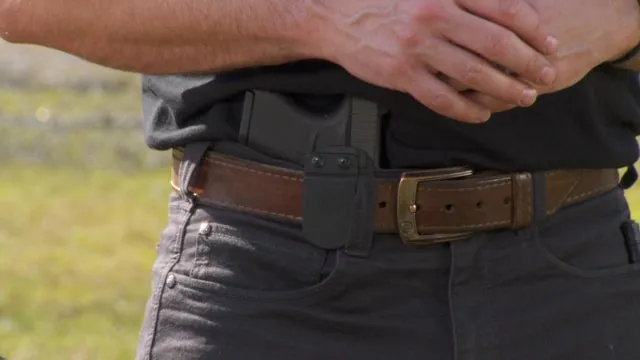
It is also more accurate to think in terms of a Permit to Carry than a separate “concealed carry license.” Minnesota does not make the permit depend on whether the pistol is carried openly or concealed. That does not mean every place is available for carry. Federal property, restricted locations, private-property notices, and other rules still matter. Read the site’s Minnesota carry guide before treating the card as a universal answer.
2. Confirm the statewide basics before you enroll
The statute lists the statewide criteria that the sheriff considers, including qualifying pistol-safety training, a completed application, and eligibility to possess a firearm under state and federal law. The printed statute still includes age and citizenship or permanent-resident language. Court decisions and agency practice can affect how some requirements are applied, so do not use an article to resolve an individual eligibility issue.
A good preparation step is to read the current State of Minnesota Permit to Carry overview and the page for the sheriff who will receive your application. Those official sources are better than a forum post or a saved checklist because local hours, appointment rules, and payment instructions can change.
3. Complete qualifying training while the timing is useful
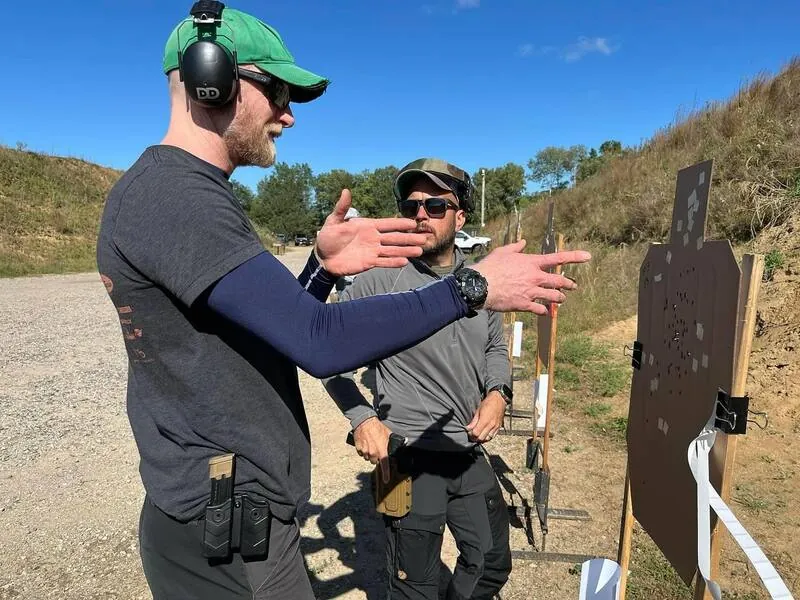
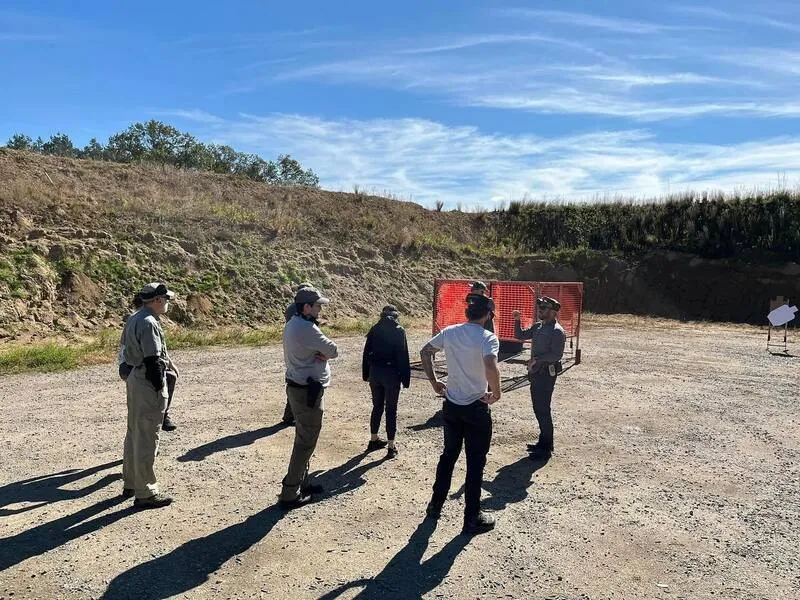
Approved training is not just a box to check. Minnesota law requires training in the safe use of a pistol, and the training used for a new application must be current. The statute requires a live-fire shooting exercise, which is why a fully online experience cannot replace the required in-person qualification step.
Plan the course and sheriff visit as one sequence. A certificate that is more than one year old when the application is submitted cannot support a new application. Save the original certificate and a clear copy as soon as you receive it, then avoid letting other errands push the sheriff visit beyond that window.
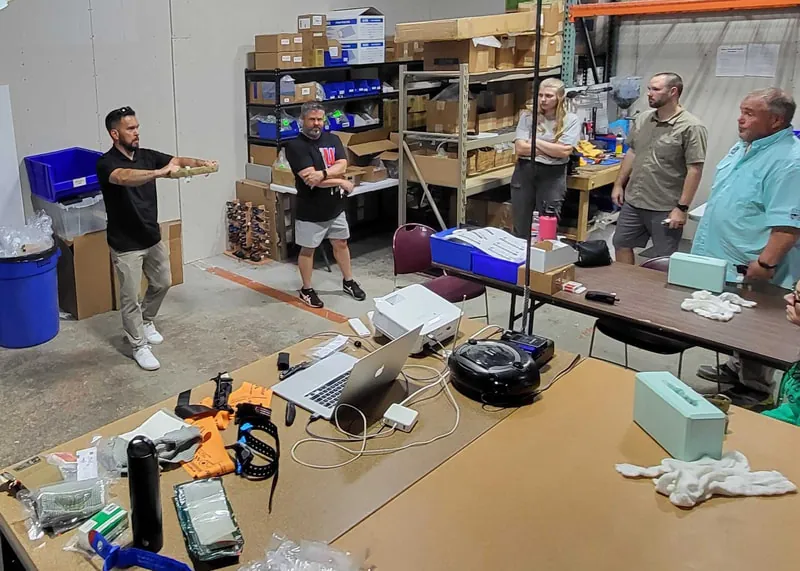
Tactical Training Solutions gives students a practical route through this step. You can complete the online classroom portion of the Minnesota Permit to Carry course on your own schedule, then use the qualification scheduler for the local review and live-fire step in Burnsville. The goal is current training and a responsible foundation before the paperwork begins.
4. Build a complete application packet
Once your training is complete, get the current standardized application through an official source or the sheriff who will receive it. Minnesota residents apply to the sheriff in the county where they live. Nonresidents may apply to any Minnesota sheriff. The application is submitted in person, so a quick check of the office location and intake hours is worth doing before you drive over.
The exact county instructions matter, but a first-time applicant commonly needs a completed application, proof of qualifying training, current government identification, and the listed fee in the accepted payment method. Read each field and signature line carefully. An application is a legal document, not a casual course-registration form.
Use the site’s detailed Minnesota Permit to Carry application checklist for the sheriff-visit details. It is the better companion when you are ready to gather forms, identification, payment, and proof of training.
5. Submit in person and keep the receipt
Bring the complete packet to the correct sheriff. Ask for and keep the signed receipt after the packet is accepted. It gives you a concrete record of the submission date and makes it easier to follow up if you need to check the status later.
Under Minnesota law, the sheriff has up to 30 days after receiving a complete packet to issue or deny a permit. The Hennepin County Sheriff’s Permit to Carry page is one useful example of county-level guidance, but your own county controls the practical intake details for your application.
Know which details come from the state and which come from your county
The statewide law sets the overall Permit to Carry process. Your county sheriff handles the practical details of accepting an application. That distinction is useful because it tells you where to look when something is unclear. The statute is the source for statewide timing and eligibility criteria. The sheriff’s current page is the source for the office address, appointment policy, fee, accepted payment method, and any local instructions for handing in documents.
Do not assume that a relative’s experience in another Minnesota county will match yours. One office may take walk-ins during set hours while another uses appointments. One may accept a particular payment method while another requires a different one. Check the page shortly before you go, even if you looked at it earlier in the week. That final review is faster than making an unnecessary second trip.
It also helps to keep your training record, application copy, receipt, and a note with the sheriff’s contact information together. If the office needs clarification, you will have the details in one place instead of relying on memory. Orderly paperwork is not exciting, but it is part of handling a permit process responsibly.
Separate training questions from legal advice
A quality course can teach safe handling, explain the Permit to Carry process, and help you prepare for the qualification. It cannot decide whether a past event makes you legally eligible or tell you how to answer an application question about your individual history. Those are legal questions with consequences beyond a class or an article.
If a question involves a conviction, restraining order, mental-health commitment, immigration status, military discharge, substance use, or another possible restriction, pause before you sign an application. Seek qualified legal advice and use official records rather than guessing. The Minnesota Judicial Branch firearms FAQ is a helpful public starting point for court-related questions, but it is not a substitute for advice on a personal situation.
The same restraint applies after a permit is issued. A permit holder should stay current on the rules that apply to the places and circumstances they encounter. Training creates a foundation. Responsible decisions continue long after the certificate is printed.
Plan for the permit you will have, not just the application you submit
Many people focus intensely on application day and then stop planning. A better approach is to think ahead to the routine that follows: secure storage at home, careful handling, a clear understanding of restricted locations, and a regular habit of checking the laws that affect travel or changing circumstances. Those habits make the permit part of a responsible system rather than just another card in a wallet. Before carrying anywhere new, slow down long enough to verify the current rules for that exact destination. A familiar errand, event, or road trip can involve different property policies and legal considerations than the places you visit every day.
Minnesota’s Permit to Carry has a five-year validity period, but that does not make it a five-year set-it-and-forget-it task. Keep your contact and address information current, retain the records you may need for a renewal, and make a note well before expiration. When that time comes, the requirements and timing are covered in the site’s dedicated renewal article.
For readers who are still deciding whether the training fits their goals, the Minnesota Permit to Carry requirements guide explains the statewide checklist in more detail. Reading the right guide for the right stage avoids mixing up a first application, a renewal, and a purchase permit.
6. Use the wait responsibly
Waiting for an application decision is a good time to organize the habits that matter after a permit is issued. Review safe storage, safe handling, the places where carry is restricted, and how you will keep your permit card and government-issued photo identification available when carrying. A Permit to Carry does not replace judgment or erase a private business’s rules.
For future travel, read the Minnesota reciprocity checklist before crossing a state line. For an existing card nearing expiration, use the separate Minnesota renewal guide. Keeping first-time, renewal, and travel questions separate makes each decision easier to handle correctly.
A simple Permit to Carry timeline
- Choose the right process: decide whether you need a Permit to Carry and check the official state and sheriff guidance.
- Complete current training: finish qualifying instruction and the live-fire exercise, then save the certificate.
- Prepare the packet: use the current application and verify county requirements, fee, and payment method.
- Apply in person: submit through the correct sheriff and keep the signed receipt.
- Prepare responsibly: use the waiting period to review carry, storage, and location rules.
That sequence prevents the most common avoidable problems: stale training, an outdated form, or a surprise at the sheriff’s counter.
Complete the training step with Tactical Training Solutions
Tactical Training Solutions is built for Minnesotans who want a clear path from classroom learning to the local qualification step. Complete the online coursework when it fits your schedule, then finish the in-person review and range qualification in Burnsville. If you are ready to begin the training portion, start with the Minnesota Permit to Carry course.
Start the online permit courseFor a course or qualification question, use the contact page. For application forms, eligibility, fees, and intake rules, follow the current sheriff instructions.
Frequently Asked Questions
What permit do I need to carry a handgun in Minnesota?
Minnesota issues a Permit to Carry. It is not limited to concealed carry: a qualifying permit holder may carry a pistol openly or concealed, subject to state law and location-specific restrictions. Check the current statute and the rules for any place you plan to visit.
Where do Minnesota residents apply for a Permit to Carry?
A Minnesota resident applies in person to the sheriff in the county where the resident lives. A nonresident may apply to any Minnesota sheriff. Confirm the sheriff's current hours, appointment process, identification requirements, and payment method before making the trip.
How long does a Minnesota Permit to Carry application take?
Minnesota law gives the sheriff up to 30 days after receiving a complete application packet to issue or deny a permit. Keep the signed receipt from the sheriff because it records the submission date.
Can I take the Minnesota Permit to Carry class online?
Training must meet Minnesota's legal requirements, including a live-fire shooting exercise. Tactical Training Solutions lets students complete the classroom portion online, then complete the required local review and qualification in Burnsville.
Related posts

Minnesota Gun Storage Laws: A Responsible Owner's Guide
What Minnesota's negligent-storage law covers, how to plan safer firearm storage at home, and when to verify the current rule before acting.
Read Article
Minnesota Private Gun Sales: What to Check First
A careful Minnesota private-sale checklist for permits, dealer-facilitated transfers, transfer records, and when to pause for help.
Read ArticleCan You Carry a Gun in Minnesota? 2026 Rules
A practical overview of Minnesota carry rules in 2026, including permits, public places, private property, vehicles, documents, and responsible next steps.
Read ArticleThis article provides general Minnesota Permit to Carry information as of November 10, 2026. Laws and county procedures can change. Verify current requirements with the sheriff who will accept your application, and seek qualified legal advice for an individual legal question.