
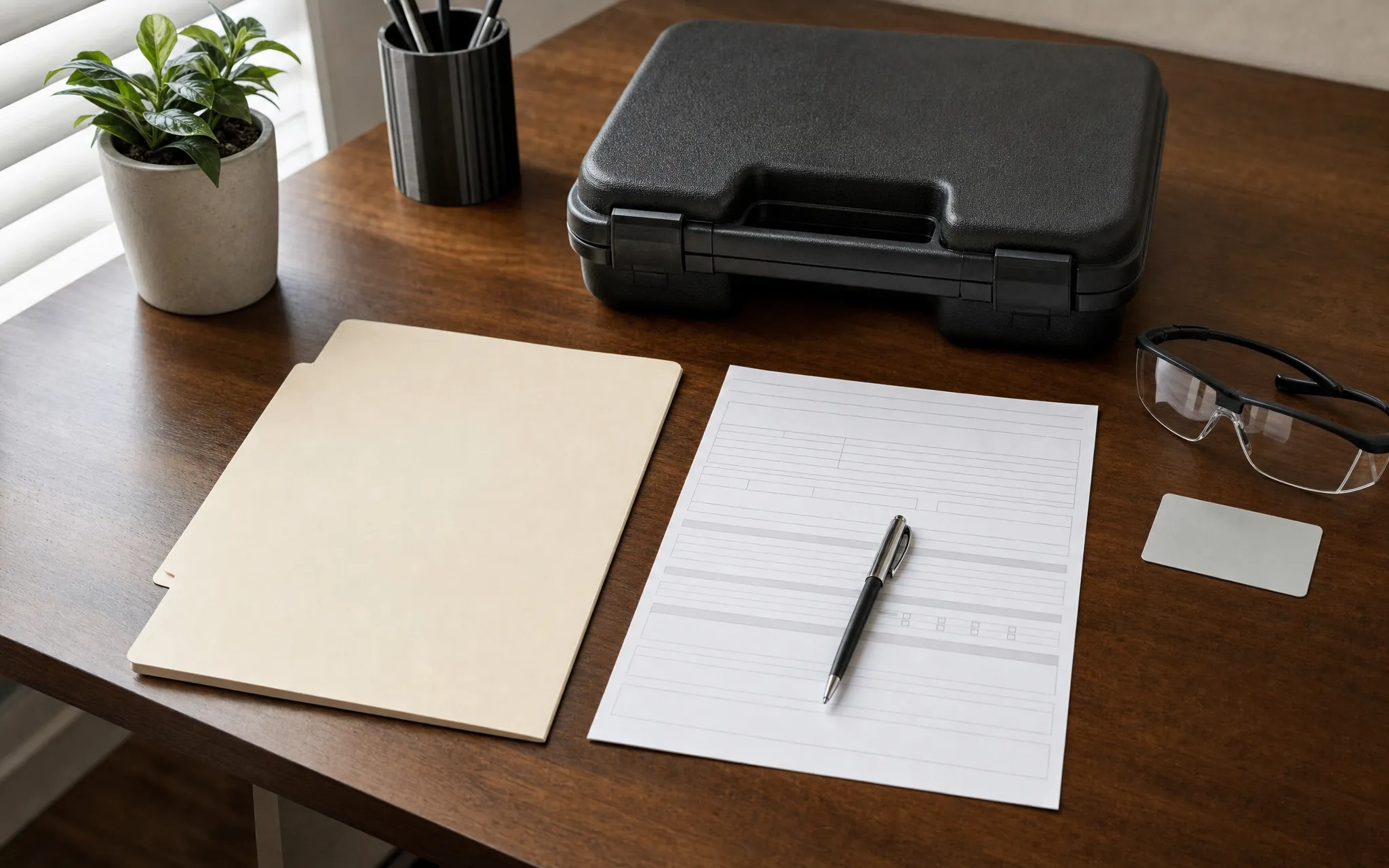
A Minnesota Permit to Purchase is a useful document to understand before you plan to receive a handgun or a semiautomatic military-style assault weapon. It is a state permit for a specific transfer requirement. It is not a carry permit, it does not replace dealer paperwork, and it does not answer every personal eligibility question.
The process is usually manageable when you begin with the right local agency, use its current application instructions, and leave enough time for the statutory review. This guide explains the practical sequence, the distinction between a Permit to Purchase and a Permit to Carry, and where to verify the details before a transfer. It is general information, not legal advice.
Start with the right permit
Minnesota law calls this document a transferee permit. In everyday conversation, most people call it a Permit to Purchase. It can meet the state permit requirement for receiving a pistol or a semiautomatic military-style assault weapon. The permit is about the transfer. It does not give someone permission to carry a pistol in public.
That distinction saves people from choosing the wrong application. A Minnesota Permit to Carry courseis for someone pursuing a carry permit and its required training path. A Permit to Purchase is for a person who needs the state transfer permit but is not applying for a carry permit. A valid Permit to Carry can satisfy the covered transfer requirement, but it is a different document with a different purpose.
Apply to the agency that serves your home address
The place to apply depends on where you live. Under Minnesota Statute 624.7131, a resident applies to the chief of police where the resident lives if that municipality has a full-time police department. If it does not, the resident applies to the county sheriff where the resident lives. The statute also sets a route for nonresidents through the sheriff of the county where they plan to acquire the firearm.
Start with the current website or office for that agency, not a saved form or an old social-media post. Ask it for the current application, accepted identification, office hours, whether an appointment is needed, and any local submission instructions. The statewide rule sets the framework, but the receiving office is the final source for a practical intake detail.
A short call or careful read of the agency's instructions is worth the effort before you make a trip. Confirm whether the office wants an application completed before arrival, whether identification must show your current address, and whether it has a particular counter or intake window for firearms permits. Write down the date you checked the instructions. That gives you a simple record to revisit if an appointment or form question comes up later.
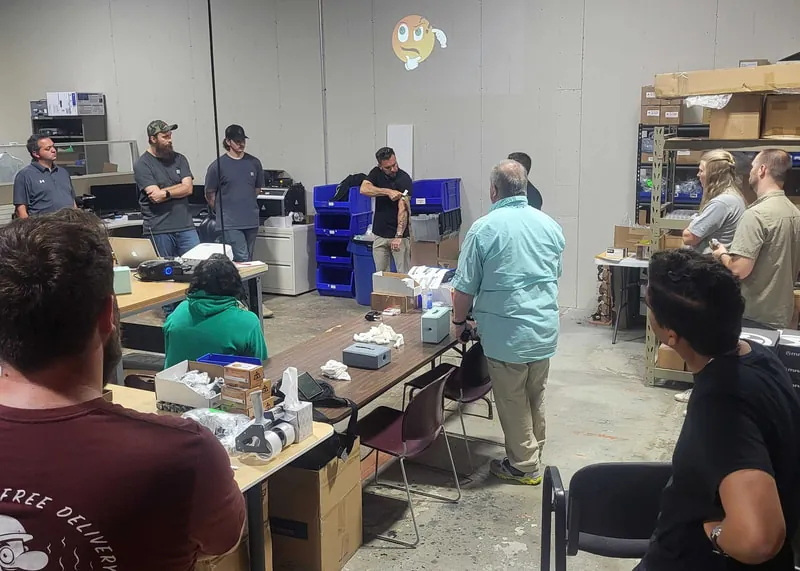
Before you leave, read the application carefully and use your current legal name and residential address. If a question involves a past conviction, court order, immigration status, substance use, or any circumstance that could affect firearm possession, pause. A general article cannot answer a personal legal question. Get qualified legal advice before signing an application you do not understand.
Understand what the review does and does not promise
The application starts a state eligibility review. The issuing authority has a limited period to issue or deny the permit, and Minnesota law generally gives it up to 30 days after it receives the application. A complete application helps, but the permit is not an instant approval and it is not a substitute for the requirements that can apply when a transfer actually happens.
For example, a purchase from a federally licensed dealer involves the dealer's own required process. A private transfer of a covered firearm can involve a permit check, a private-party record, or a transfer through a dealer. The Minnesota transfer lawis the right starting point for the rules around private transfers, background checks, and listed exceptions. The details matter, so do not treat a permit in hand as a reason to skip the rest of the transfer process.
This is especially important when advice comes from someone whose situation is not the same as yours. The firearm type, transfer method, seller, buyer, and personal eligibility can all change what needs to happen next. Use the permit as one part of a responsible plan, not as a blanket answer to every purchase question.
Keep the timing simple
A Minnesota Permit to Purchase is generally valid for one year from the date it is issued. Check the date printed on the permit and keep it in a secure place. If your plans change, do not rely on a permit you assumed was still current. Recheck the date before arranging a transfer.
The best approach is to apply before you are under pressure to complete a purchase. That gives the receiving agency time to process the application, gives you time to correct a missing item, and lets you make decisions without turning paperwork into a last-minute problem. Keep a simple note of the application date, the office you contacted, and the permit's expiration date.
When the permit arrives, compare the name and date on the document with your identification before you need it. Keep it protected from loss or damage, and do not share images of it casually. If a dealer or seller needs to see the permit for a lawful transfer, bring the original document and follow that party's current process. A clear paper trail and a little advance planning are easier than trying to rebuild the details after a rushed transaction.
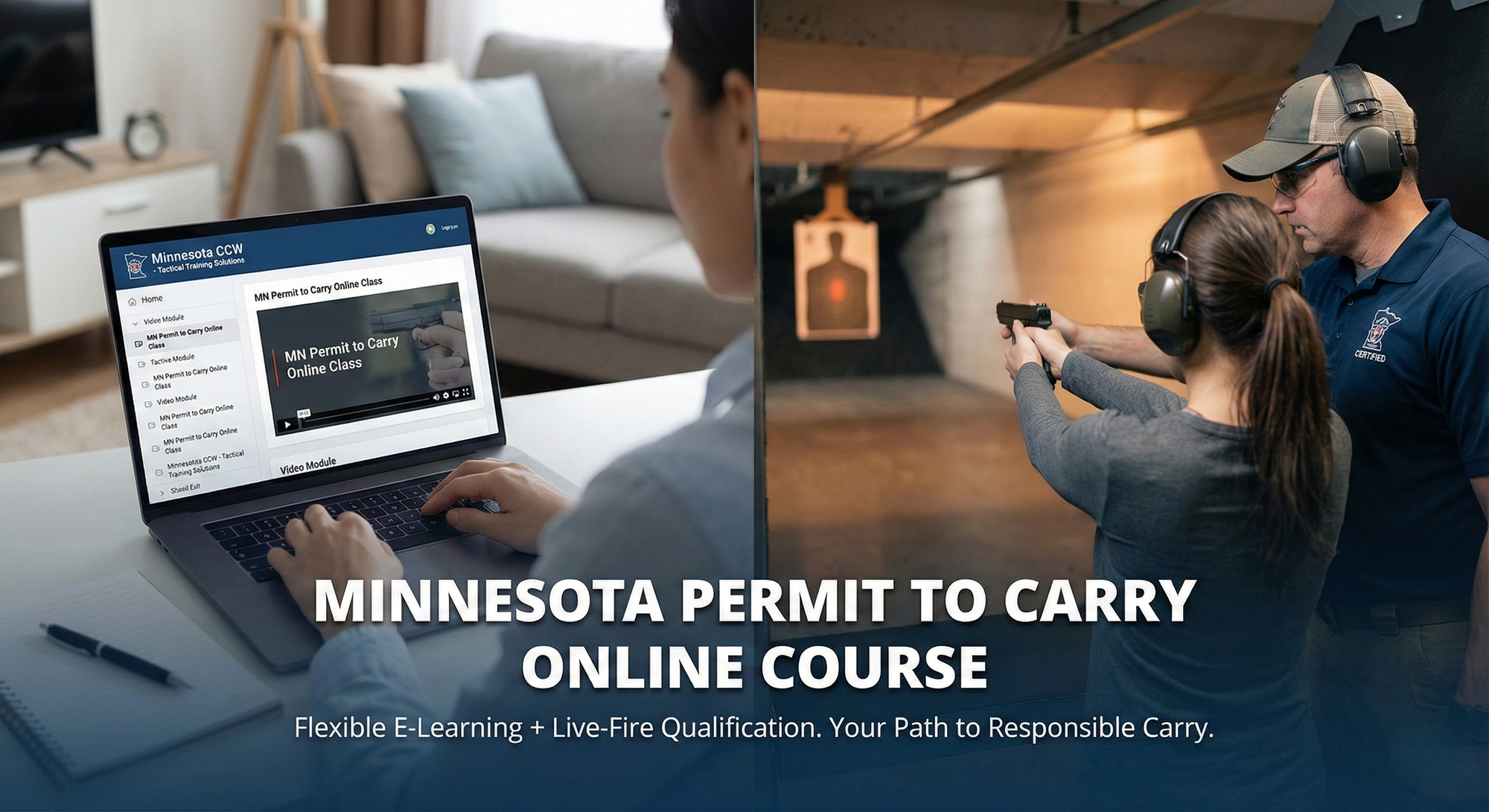
If your plans have shifted from a purchase permit to carrying a pistol, do not try to stretch the Permit to Purchase process into something it is not. Read the Minnesota Permit to Carry requirements checklistfirst. It explains the separate training, county filing, and eligibility steps that apply to a carry permit.
Use the right path for the transfer
People often search for a Permit to Purchase because they are preparing to buy a handgun. That is a reasonable starting point, but the purchase path still depends on how the firearm is transferred. A dealer sale and a private-party transfer have different practical steps, even when the same state permit requirement applies.
For a fuller explanation of dealer sales, private transfers, permits, and the distinction between standard long guns and the covered firearm categories, use the site's Minnesota firearm-purchase guide. It is designed to help readers ask the right questions before a transfer, without confusing a purchase permit with a carry permit.
Keep safe handling and secure storage in the plan from the beginning. A legal purchase is not the same thing as being prepared to own or carry responsibly. Training can help a new owner build safer habits, understand the practical limits of a permit, and make better decisions before handling a pistol at home or at the range.
If you are buying from an individual, be especially careful about treating the meeting as a paperwork-free exchange. Ask in advance what lawful transfer method will be used, bring the documents required for that method, and walk away from an arrangement that asks you to ignore a legal step. A reputable seller or dealer should be comfortable with a clear, lawful process.
When a Permit to Carry course makes more sense
Tactical Training Solutions helps students who want to pursue a Minnesota Permit to Carry, not just purchase a firearm. The course covers safe pistol handling, legal carry considerations, use-of-force concepts, and the required live-fire qualification. Students can complete the classroom portion online, then schedule the in-person review and qualification in Burnsville.
That route makes sense when the goal is a carry permit and the responsibilities that come with it. If you only need the purchase permit, apply through the correct local law-enforcement agency. If you are considering carrying, start by comparing the full Minnesota concealed-carry class pathwith the state's carry-permit requirements, then choose training when you are ready.
Start the online permit courseQuick checklist before you apply
- Confirm that a Permit to Purchase, rather than a Permit to Carry, matches your goal.
- Find the police chief or county sheriff that receives applications for your home address.
- Use that office's current application and confirm its local intake instructions.
- Read every application question carefully and seek legal advice for an individual eligibility issue.
- Allow time for the review, then keep the issued permit and its expiration date in a secure place.
- Follow the correct dealer or private-transfer process when it is time to receive the firearm.
This sequence keeps the process straightforward. Start with the correct local office, verify current instructions, and separate the state permit requirement from the rest of a lawful, responsible transfer.
Frequently Asked Questions
What is a Minnesota Permit to Purchase?
A Minnesota Permit to Purchase is commonly called a transferee permit in state law. It can satisfy the state permit requirement for receiving a pistol or a semiautomatic military-style assault weapon. It is not a Permit to Carry and does not authorize someone to carry a pistol.
Where do I apply for a Minnesota Permit to Purchase?
Apply to the chief of police where you live if your municipality has a full-time police department. If it does not, apply to the county sheriff where you live. The receiving agency is the right source for its current form, hours, identification requirements, and local intake instructions.
How long does a Minnesota Permit to Purchase take?
Minnesota law generally requires the issuing authority to issue or deny the permit within 30 days of receiving the application. A complete application and the correct local agency help avoid preventable delays.
How long is a Minnesota Permit to Purchase valid?
A Minnesota Permit to Purchase is generally valid for one year from the date it is issued. Confirm the date printed on your permit before planning a transfer.
Do I need a Permit to Purchase if I already have a Minnesota Permit to Carry?
A valid Minnesota Permit to Carry can satisfy the state permit requirement for the covered firearm transfers. The transfer may still involve dealer paperwork, a background check, or other requirements depending on the firearm and transfer method.
Related posts
Minnesota Permit to Carry Renewal: What to Do
Renew a Minnesota Permit to Carry: the 90-day application window, one-year training certificate, sheriff paperwork, fees, and late renewals.
Read ArticleMinnesota Permit to Carry Application: Step-by-Step
A practical checklist for preparing and submitting a Minnesota Permit to Carry application, from training through the sheriff's receipt.
Read Article
Minnesota Permit to Carry Requirements: 2026 Checklist
Minnesota Permit to Carry requirements: eligibility, age guidance, one-year training, application documents, county filing, and what to confirm before applying.
Read ArticleThis article provides general Minnesota Permit to Purchase information as of August 11, 2026. Firearm laws and local procedures can change. Verify current details with the agency that will accept your application, and seek qualified legal advice for an individual legal question.