A Minnesota Permit to Carry course includes more than classroom material. State law requires qualifying training in the safe use of a pistol, including a live-fire shooting qualification exercise. For a new applicant, that training is part of the path to a certificate that can be submitted with the sheriff's application. The exercise is a chance to demonstrate safe, controlled handling under an instructor's direction, not a reason to arrive anxious or unprepared.
The most useful preparation is to understand what the state requires, what your instructor needs you to bring, and which details are specific to the course you chose. This guide covers those practical questions. It is general information, not legal advice, and an instructor or sheriff is the right source for course-specific or personal questions.
What Minnesota requires
Minnesota's Permit to Carry statute requires qualifying training in the safe use of a pistol. The training must include instruction in the legal aspects of pistol carry and the lawful use of deadly force, as well as successful completion of an actual shooting qualification exercise. That is the statewide baseline. It does not mean every training provider uses the same range layout, sequence, equipment list, or teaching approach.
The certificate matters because it becomes part of a permit application. Minnesota residents apply to the sheriff in the county where they live, and the state's current Permit to Carry guidance explains that the training must have been completed within one year before a new application. That makes planning important. A certificate taken too early can become stale before the application is filed, while waiting until the last minute can make a simple paperwork task feel rushed.
What the range exercise is designed to show
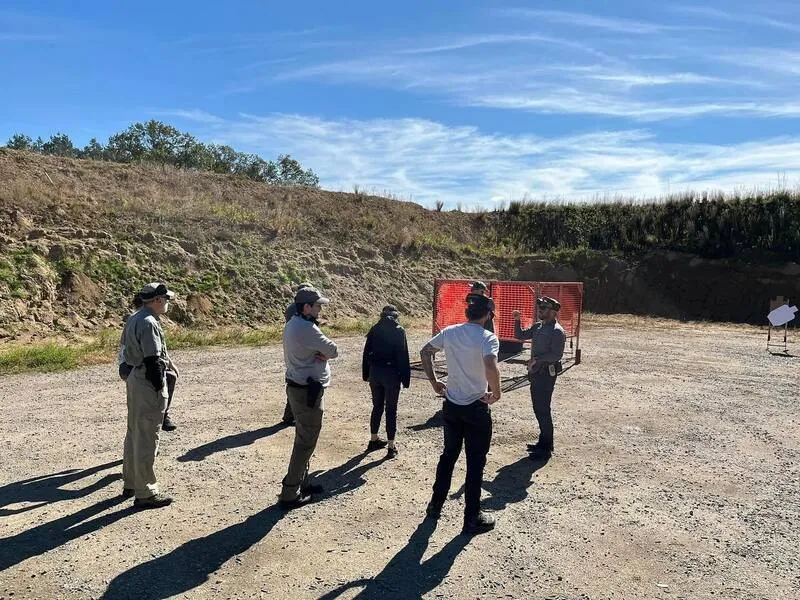
The state calls for an actual shooting qualification exercise, but a thoughtful student should not reduce that phrase to a single score or a rumor from a friend. The range portion is where a qualified instructor can observe whether students follow safety procedures, listen to range commands, and handle the firearm in a controlled manner. Good instruction makes the expectations clear before anyone begins.
That is why the classroom material and range work belong together. Safe muzzle direction, trigger discipline, loading and unloading procedures, range etiquette, and attention to commands are habits that matter well beyond one qualification. The exercise gives the instructor a real opportunity to see those habits in action. It is also why a prospective student should be wary of anyone who presents the range step as a meaningless formality.
Course details can differ, so ask the provider how the day is structured. A useful question is not just, "What score do I need?" Ask what safety briefing takes place, when questions can be raised, what equipment is required, whether there is an instructor demonstration, and how much time is available to get settled before the exercise begins. Clear answers are a sign that the course treats students and safety seriously.
On the range, listen first and move only when instructed. Most preventable problems come from hurrying, assuming a command was meant for someone else, or trying to fix an unfamiliar equipment issue alone. If something does not feel right, keep the firearm pointed in the safe direction the range has designated, keep your finger off the trigger, and call for the instructor. A pause is the responsible choice, and it is far better than improvising.
Think of the qualification as a controlled learning environment, not a performance in front of other students. Stay focused on the current command instead of comparing yourself with the person in the next lane. The goal is to follow the process carefully, learn from corrections, and leave with a better understanding of the safety habits that support lawful, responsible carry.
Prepare before you arrive
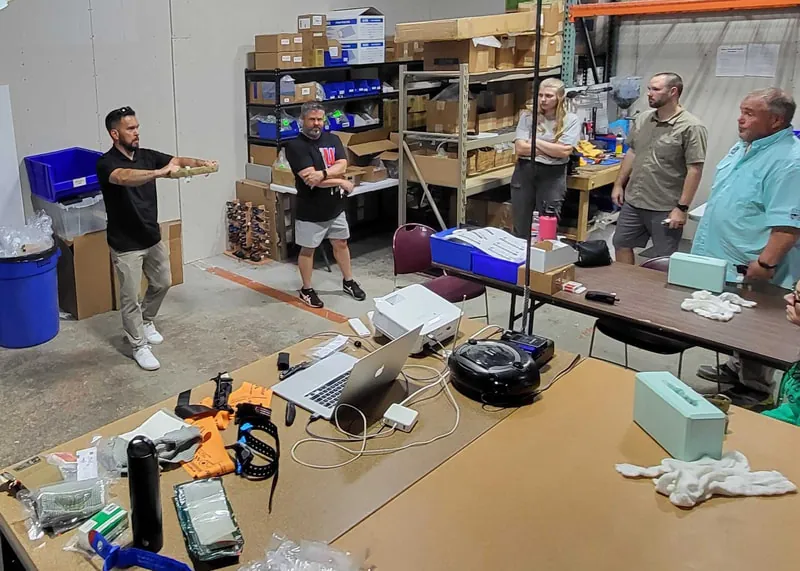
Preparation starts well before a range day. Read the provider's confirmation materials, then make a short list of anything you need to bring. Depending on the course, that may include a government-issued photo ID, your course confirmation, eye and ear protection, a suitable handgun, magazines, ammunition, and a way to transport equipment safely. Do not guess about equipment, especially if you are new to pistol ownership.
If you need to ask about a loaner handgun, ammunition, or a physical limitation, contact the provider in advance. Asking early is practical, not embarrassing. It gives the instructor time to tell you what is possible and lets you avoid showing up with an unsuitable setup. TTS explains its usual course path and loaner-handgun guidance on the Minnesota Permit to Carry course page, but availability and timing should always be confirmed before class.
Arrive rested, unhurried, and ready to pay attention. Avoid alcohol, impairing medication, or anything else that affects judgment. Wear clothing and footwear that let you move safely and comfortably. Keep your phone quiet while the safety briefing and commands are being given. These basics sound ordinary because they are, yet they help a student concentrate on instruction instead of scrambling with avoidable distractions.
Transport your equipment according to the instructor's directions and the rules that apply to your trip. Keep the range bag organized so eye protection, hearing protection, identification, and paperwork are easy to find without unpacking everything at once. Before handling any firearm, wait for the instructor's signal and use the designated safe area. A calm, orderly arrival helps the whole group start with attention on instruction rather than confusion.
Give yourself enough time to park, check in, and hear the full briefing. Arriving late can mean missing instructions that are important for both safety and the course schedule. If travel, weather, or a family obligation makes attendance uncertain, contact the provider before the session instead of assuming a missed range step can be handled informally. Clear communication protects your time and helps the instructor manage a safe group experience.
A little preparation also makes it easier to retain the instruction. Bring a notebook if you find it helpful, write down questions after the briefing, and review the course material before the range step rather than treating the live-fire exercise as a stand-alone task.
New shooters should say so early
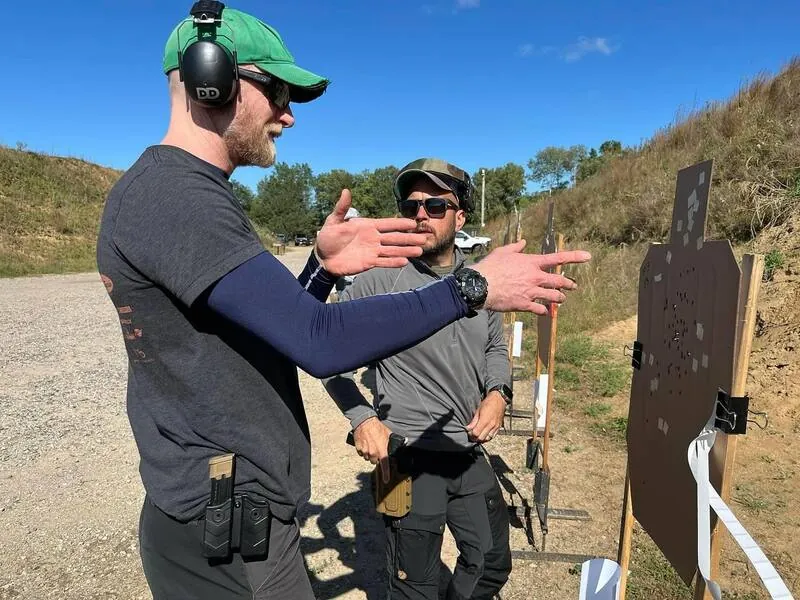
A first permit course can be a person's first structured experience on a range. The right move is to be direct about that before the live-fire portion begins. Let the instructor know what experience you have, whether you have handled the specific firearm before, and which part of the process feels unfamiliar. An instructor can explain the course flow and reinforce the safe-handling fundamentals that matter most.
New does not mean careless. It means you should be ready to learn and willing to stop when you are unsure. Keep the firearm pointed in the direction the range specifies, keep your finger away from the trigger until directed to fire, follow the commands exactly, and ask for help instead of trying to solve a problem silently. Responsible training is built on that kind of communication.
It also helps to separate skills practice from permit paperwork. A Permit to Carry course is a required training step, but no single class makes someone finished learning. Continue to build safe habits through lawful, supervised practice that fits your experience level. Advanced instruction is a later decision, after the foundation is solid and only when the course matches your goals. TTS outlines those options on its advanced training page for students who want to continue developing practical skills.
Students who want to understand the full application sequence can use the Minnesota Permit to Carry requirements checklist before training. The application guide then explains what to prepare for the sheriff's office after qualifying training is complete. That order keeps the range exercise in its proper place: an important part of training, followed by a separate county application process.
Keep the training and application steps separate
Completing the live-fire exercise is not the same as receiving a state-issued permit. Training gives a qualified student the certificate required for an application. The applicant still needs to prepare the current official form, bring the required identification and payment, and file with the appropriate sheriff. The sheriff reviews the completed application under the process set by state law.
That distinction helps prevent common mistakes. Do not carry in public based on a training certificate alone. Do not assume a permit to purchase answers a Permit to Carry question. And do not rely on an old form downloaded months ago when the receiving sheriff has current filing instructions. The Minnesota Permit to Purchase guide explains why purchase rules are a separate issue, while the plain-language statute guide gives useful context for the rules that follow issuance.
After the permit is issued, responsible carry still calls for ongoing judgment. A permit holder needs the physical permit card and identification while carrying in public, and destination, private-property, and travel rules can create separate questions. The Minnesota concealed-carry laws guide and pre-trip reciprocity checklist can help readers keep those questions organized.
Renewal uses its own timeline as well. A permit does not stay current simply because a person previously completed a class, and renewal training has its own timing requirement. When an expiration date is approaching, use the Minnesota Permit to Carry renewal guide to plan ahead rather than assuming the first-time application sequence will answer every question. Keeping those processes distinct reduces the chance of a last-minute gap in paperwork or training.
Current TTS qualification notice
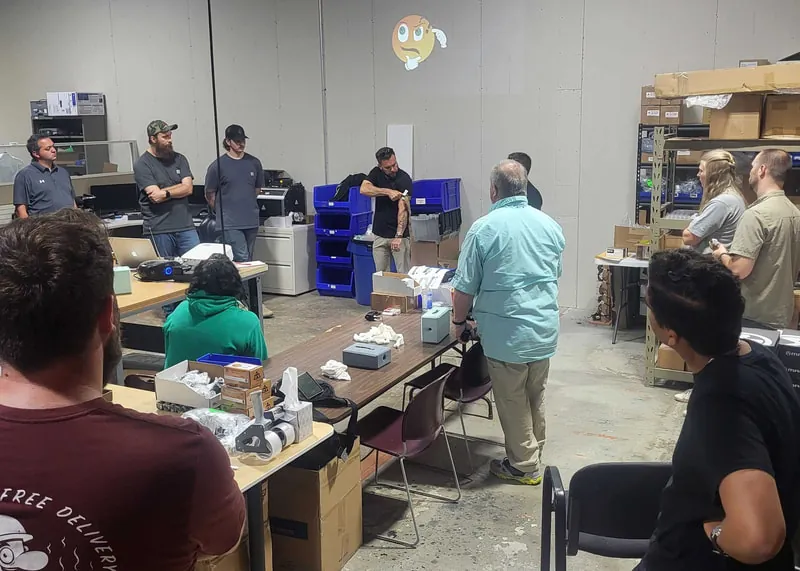
Tactical Training Solutions normally combines self-paced online classroom work with an instructor-led in-person review and live-fire qualification. At present, all TTS shooting qualifications are temporarily suspended until November because of a family emergency. Do not make a range appointment or travel plan based on an older class listing.
The current qualification service notice is the right place to confirm that status. The instructor credentials page provides background on the experience behind TTS training, and the contact page is available for a course-related question that is not answered in the current notice. For an individual legal or eligibility question, contact the sheriff or a qualified Minnesota attorney instead.
Frequently asked questions
Is there a shooting test for a Minnesota Permit to Carry?
Minnesota qualifying training includes a live-fire shooting qualification exercise. The state law establishes that the training must include that exercise, while the instructor explains the safe procedures and course-specific standards for the class.
Do I need my own handgun for the qualification?
Ask the instructor before class. Some providers can arrange a loaner handgun, while others require students to bring their own. Confirm the equipment, ammunition, safety gear, and any advance arrangements before you arrive.
What happens if I am new to shooting?
Tell the instructor before the range portion begins. A responsible course should make safety expectations clear and help students understand the process, but every student still needs to follow range commands and the instructor's directions.
How recent must Minnesota Permit to Carry training be?
For a new application, the qualifying training course must have been completed within one year before applying. Confirm timing with the sheriff who will receive your application, especially if you have delayed filing.
Can I schedule a TTS shooting qualification now?
No. Tactical Training Solutions currently has all shooting qualifications temporarily suspended until November because of a family emergency. Check the current service notice before making travel or scheduling plans.
Related posts
Do You Need a Permit to Buy a Shotgun in Minnesota?
An easy way to sort out Minnesota Permit to Purchase questions before buying a shotgun from a dealer or planning a private transfer.
Read Article
Minnesota Gun Laws for Nonresidents: Carry and Travel
A practical guide for out-of-state visitors to Minnesota: permit recognition, applying for a Minnesota permit, purchasing questions, and travel planning.
Read Article
Minnesota Permit to Carry Address Change: What to Do
Moved? Learn who to notify, the 30-day deadline, when a replacement Minnesota Permit to Carry card can help, and what to verify before renewing.
Read ArticleThis article provides general information about Minnesota Permit to Carry training as of September 15, 2026. Training details, sheriff procedures, and laws can change. Verify current requirements with official sources before applying, and seek qualified legal advice for an individual legal question.