
A question about Minnesota Permit to Carry eligibility deserves a careful answer. A search result can point you toward the right statute or application material, but it cannot read a court file, interpret an order, or decide how a particular fact applies to one person. That distinction matters. The safest starting point is to understand the state's published criteria, identify the part of your own situation that needs clarification, and get an individual answer before you make plans around a permit.
This guide is a practical orientation, not a legal opinion. It explains what the state says a sheriff reviews, why a quick yes-or-no list can be misleading, and how a prospective student can prepare for the training and application path without assuming eligibility. If your question involves a conviction, protection order, commitment, military discharge, immigration status, controlled substance issue, or any other personal legal history, speak with a qualified Minnesota attorney.
Start with the state's permit criteria
Minnesota's permit statute says a sheriff must issue a permit to an applicant who meets the listed criteria, unless the separate statutory basis for denial applies. The current published version of Minnesota Statutes section 624.714 lists training in the safe use of a pistol, an application, and eligibility to possess a firearm under specified state and federal laws among those criteria. It also names age, citizenship or permanent-resident status, and criminal-gang data as part of the statutory framework.
That is why the phrase “disqualified” is broader than a single checklist. The permit law points to several other state sections and to federal law. Those sources can involve different triggers, time periods, orders, or procedures. A person should not treat an online article as a substitute for checking the current law that actually applies to their facts.
Why personal history needs an individual answer
Two people can describe a past event in similar words and still have different legal questions. A charge is not the same as a conviction. A conviction can have a different effect depending on the offense, disposition, date, and whether rights were restored. A court order can have its own terms and expiration. Records that have been sealed, expunged, pardoned, or otherwise addressed by a court should not be guessed at from a search snippet.
The state's uniform Permit to Carry application is a useful document to review before you file. It calls attention to the applicant's responsibility to provide accurate information and notes that someone otherwise affected by a conviction who has received a pardon, expungement, or restoration of rights may need to provide the relevant order. That does not mean every record is resolved the same way. It means the exact documents matter.
A good rule is simple: do not try to solve a personal eligibility question by changing the words in a web search until you find the answer you hoped for. Collect the actual paperwork, note the dates and county involved, and ask someone qualified to advise on your situation. That is more responsible than paying for a course, purchasing equipment, or filing an application on an assumption.
Understand what training does and does not do
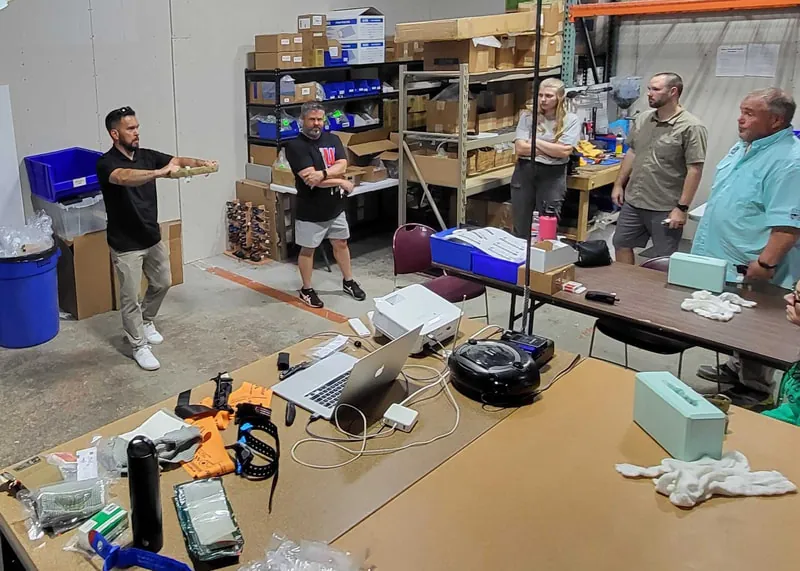
Training matters, but it does not decide legal eligibility. A responsible course can teach safe handling, Minnesota carry-law context, and the required live-fire qualification process. It cannot clear a person to possess a firearm, override a court order, or promise that a sheriff will approve an application. Keeping those roles separate protects students from a very common misunderstanding.
For people who are ready to pursue training, Tactical Training Solutions' online Permit to Carry course covers the classroom portion at the student's pace and is paired with the required in-person review and qualification. The online course guide explains why a screen-based classroom and supervised range work have different jobs. A student should resolve an eligibility question before treating training as the next step.
It also helps to keep the timeline straight. Minnesota's rules connect qualifying training to the application process, while the sheriff's office handles the application review. The Permit to Carry requirements checklist outlines the general training, paperwork, and filing sequence. Check the sheriff's current instructions before filing because local intake details can change.

If a sheriff denies an application
A denial is not a cue to guess, argue at a counter, or submit a new application without understanding the stated reason. Section 624.714 says that a denial must be provided in writing with the specific factual basis and source. The statute also describes an opportunity to submit additional documentation within 20 business days and explains that an applicant may seek further review after reconsideration.
Those procedures are important because they create a path for the person to see what the decision relies on. They do not make a general article a substitute for legal advice. If a denial identifies a record, order, or status that you do not understand, take the written notice and relevant documents to a qualified attorney. Get advice on the actual issue rather than treating another application as a test.
Current permit holders should also remember that eligibility is ongoing. The statute says a permit becomes void when the holder becomes prohibited from possessing a firearm, and it describes the requirement to return the permit card. Any change that might affect possession or carrying is a reason to get current, individual advice promptly.
Common questions that need more than a quick checklist
Some eligibility questions come up often because people want a simple answer before they invest time in training. The useful answer is usually not a broad promise. It is an explanation of which part of the question needs to be checked. That approach is slower than a headline, but it is far more likely to keep someone from making a costly assumption.
Age and residency questions: The permit statute includes age and citizenship or permanent-resident criteria, and court decisions can affect how a particular rule operates. If your situation is unusual, or if you have seen conflicting summaries online, review the current statute and get individual guidance before filing. Do not rely on an old social post or an out-of-state rule to answer a Minnesota application question.
Protection, harassment, or domestic-related orders: Orders can carry specific language, dates, findings, and restrictions. The fact that an order has changed, expired, been dismissed, or involved another state may matter, but no general article can determine the outcome. Keep the actual order and related court paperwork together for a lawyer or other qualified adviser to review.
Mental-health or commitment history: Minnesota law and federal law can address possession restrictions in this area. Words used in everyday conversation do not always match the legal terms in a record or order. Rather than trying to self-diagnose eligibility from a general description, ask a qualified professional to review the official documents and current law.
Federal-law questions: The permit statute expressly includes federal-law prohibitions in its criteria. A person can have a question that is not resolved merely by locating a state application form. That is another reason a federal issue, immigration question, or record from outside Minnesota calls for individual legal advice before proceeding.
Use official sources for the part they actually answer
Official sources work best when each source is given the job it can do. The statute explains the legal framework. The state application materials show what an applicant is asked to submit and certify. The county sheriff explains current local filing logistics. A qualified attorney evaluates how those rules and documents apply to one person's circumstances. Training providers explain their course path and safety standards. No one source replaces all the others.
That division makes the process less overwhelming. Begin with the state's Permit to Carry statute and the current application form. Read them slowly enough to identify any phrase that may connect to your own situation. Then contact the appropriate source for that next question. If the question is personal legal eligibility, move it to a lawyer rather than asking an instructor to make a legal determination.
County procedures also deserve a current check. The application process is handled through the sheriff, and the state's permit law says applications are submitted in person. Before you take time off work or arrange a trip, confirm the sheriff's office hours, accepted identification, payment method, and any local logistics from the office that will receive your application. Those practical details are not a judgment on eligibility, but handling them early makes the process calmer once you are ready to file.
This is also a good moment to distinguish a Permit to Carry from other firearm-related forms or processes. A permit application, a training certificate, a background check connected to a transfer, and a court or law-enforcement record are different things. One document does not automatically answer every other question. Keeping the terms separate helps you ask a precise question and get a more useful answer.
A practical way to prepare before you apply
Start by separating what you know from what you need to verify. You may know that you want permit training, live in Minnesota, and can complete a course. You may not know whether an old record, a current order, a federal restriction, or a prior court outcome affects possession. Write down that question in plain language and gather the documents that answer it.
Next, read the statute and the state application materials in their current form. Then confirm the application process with the sheriff who will receive it. The Minnesota application guide can help you organize the practical filing steps after your personal eligibility question is resolved. It is not a replacement for advice on that question itself.
Keep a simple record of what you verified and when. Save the current application materials, make a note of the sheriff's office information you used, and keep copies of training documentation once you complete it. Organization does not determine eligibility, but it reduces preventable confusion and gives you a clearer starting point if an official source asks for a document or clarification later.
Finally, plan training only when you can approach it with a clear head. Good firearms training is about safety, judgment, and responsible decisions, not racing through a requirement. Tactical Training Solutions is here to help students understand the training path and prepare for supervised instruction. Personal legal eligibility remains a question for official sources and qualified counsel.
Frequently asked questions
What can disqualify someone from a Minnesota Permit to Carry?
Minnesota law requires an applicant to meet the statutory permit criteria and not be prohibited from possessing a firearm under listed state or federal laws. The answer can turn on the exact record, order, status, and current law, so a person with a possible issue should use official sources and qualified legal advice rather than relying on a general online list.
Does a past conviction automatically mean I cannot get a permit?
Not every past case has the same effect, and eligibility can depend on the offense, court outcome, dates, restoration of rights, and other facts. Do not assume that a charge, dismissal, expungement, or old conviction has one universal result. Get an individual answer from an appropriate legal professional or the issuing sheriff's office.
Can a sheriff deny a Minnesota Permit to Carry application?
A sheriff reviews the statutory criteria and may deny an application if the applicant does not qualify, or under the separate statutory danger-to-self-or-public standard. A denial must be provided in writing with its factual basis, and the statute describes a process for submitting documentation and seeking review.
Do I need training before I apply?
Minnesota's permit criteria include training in the safe use of a pistol. The training certificate used for a new application must be current, so confirm the current timing and filing instructions with the sheriff who will receive the application.
What should I do if I am unsure whether I am eligible?
Pause before enrolling, purchasing equipment, or filing paperwork based on an assumption. Read the current statute and state application materials, gather documents relevant to your own situation, and speak with a qualified Minnesota attorney when the question involves a record, court order, immigration status, military discharge, or another personal legal issue.
Related posts
Do You Need a Permit to Buy a Shotgun in Minnesota?
An easy way to sort out Minnesota Permit to Purchase questions before buying a shotgun from a dealer or planning a private transfer.
Read Article
Minnesota Gun Laws for Nonresidents: Carry and Travel
A practical guide for out-of-state visitors to Minnesota: permit recognition, applying for a Minnesota permit, purchasing questions, and travel planning.
Read Article
Minnesota Permit to Carry Address Change: What to Do
Moved? Learn who to notify, the 30-day deadline, when a replacement Minnesota Permit to Carry card can help, and what to verify before renewing.
Read ArticleThis article provides general information about Minnesota Permit to Carry eligibility and training as of September 29, 2026. Laws, court decisions, state forms, and sheriff procedures can change. Verify current requirements with official sources before applying, and seek qualified Minnesota legal advice for an individual legal question.