Minnesota Firearms Training
Start with a solid safety and permit foundation, then build the handgun or carbine skills that make your practice more useful.
Training should make the next decision clearer.
Whether you are preparing for a Minnesota Permit to Carry, returning to the range after time away, or ready to work beyond the basics, the right course should meet you where you are instead of treating every student the same.
Tactical Training Solutions gives students a practical progression. New permit students can complete the classroom portion online and finish the required in-person review and live-fire qualification in Burnsville. Shooters with a safety foundation can move into more structured pistolcraft, defensive handgun, or carbine work when they are ready for a higher standard.
That progression matters because good firearms training is not about rushing toward the most demanding class title. It is about learning safe habits, understanding what a drill is meant to teach, and building skills that hold together when the task gets more complicated. A clear starting point helps you get real value from your time, ammunition, and effort.
It also helps to choose training around a real goal. You may want the confidence to handle a handgun more responsibly, the certificate needed for a permit application, a better understanding of your equipment, or a more demanding standard for your range time. Naming that goal early makes it easier to select a useful course and ask the questions that matter before you register.
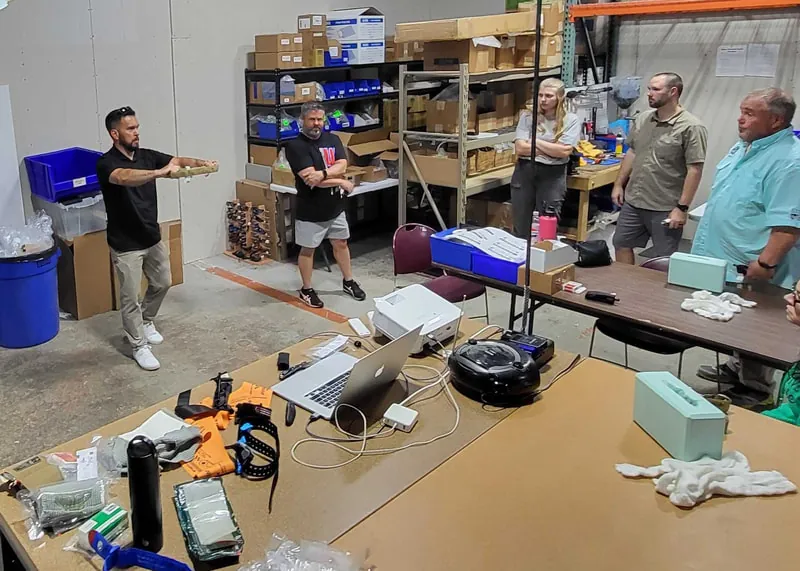
Choose the training that fits your goal.
The best next step depends on whether you need a permit foundation, a local qualification, or more deliberate work on shooting skills.
Minnesota Permit to Carry training
The permit course is the right starting point for many handgun owners and prospective permit applicants. It covers the safety, handling, legal, and practical topics that belong in a responsible foundation. The classroom portion is available online, which gives students time to work through the material around work and family schedules before moving to the range step.
After the online classroom, students complete the required in-person review and live-fire qualification in Burnsville. The course is designed to make the sequence understandable: learn the material, prepare for the range, complete the qualification, and receive the certificate needed for the county application step after successful completion.
Start with safe handling, pistol fundamentals, permit responsibilities, and a clear local path through the qualification step.
Local range qualification and support
The live-fire portion can be the step that causes the most uncertainty, especially for a newer shooter. TTS provides a local Burnsville qualification after the online course, with an experienced instructor present to guide students through the process. Students can ask practical questions about the course, equipment, and what to expect before scheduling.
A local completion point also keeps the permit path convenient for South Metro students from Burnsville, Apple Valley, Eagan, Lakeville, Farmington, Savage, Prior Lake, Shakopee, Northfield, Faribault, and nearby communities. It is a better experience when the classroom and range steps feel like one plan rather than a collection of errands.
Complete the online material, confirm your range details, and arrive ready to focus on safe, deliberate handling.
Advanced handgun and carbine skills
Once the fundamentals are in place, more advanced firearms training gives shooters a structured way to improve the skills that casual range sessions often leave untouched. TTS advanced courses cover a progression of pistolcraft, concealed-carry performance, and defensive carbine work. The focus is on repeatable mechanics, accountable accuracy, and practical problem-solving rather than simply shooting faster.
Depending on the class and your experience, that can mean improving grip and recoil management, drawing efficiently from a holster, recognizing a workable sight picture, moving safely, making transitions, or managing a carbine with more confidence. Each added skill works best when it is built on a reliable base, which is why TTS helps students choose a level that fits their current ability.
The course day is only part of the value. Good instruction gives you a way to practice between classes without simply repeating the same routine. Take the instructor's feedback, choose one area to work on, set a realistic standard, and make deliberate repetitions. That keeps practice connected to a purpose and gives the next training session a useful starting point, whether you are refining handgun fundamentals or preparing for more involved carbine work.
Move from sound fundamentals into more demanding pistol and carbine work without skipping the skills that keep training productive.
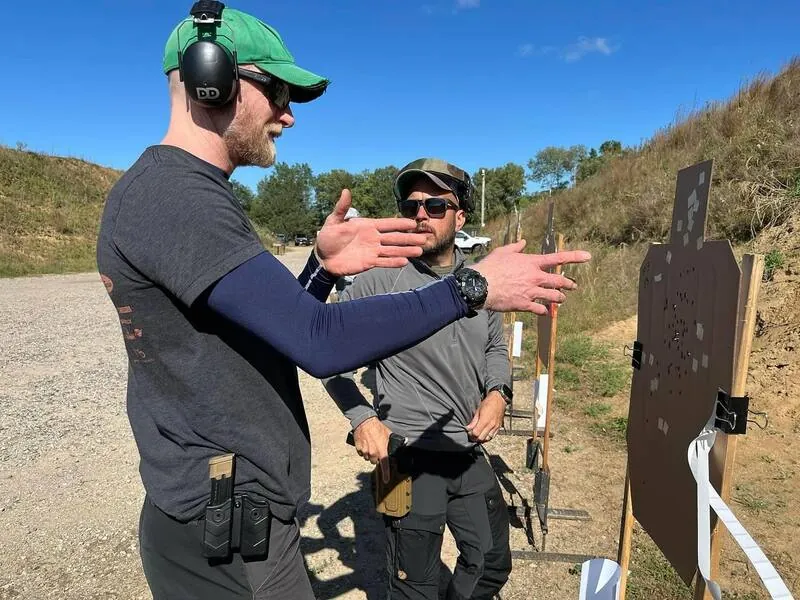
Build habits you can use, not a collection of drills.
A good instructor helps you understand both what to do and why it matters. That is how a training day turns into a better practice plan rather than a few techniques you cannot reproduce on your own.
Tactical Training Solutions is led by Craig Burris, an experienced educator and Minnesota Permit to Carry instructor. His background includes Air Force training, law-enforcement experience, instructor certification, self-defense instruction, and ongoing pistol and rifle training. That depth gives students a teacher who can meet a newer shooter with patience while still giving experienced shooters a clear standard to work toward.
The approach stays practical. Training should give you feedback you can use: what is working, where a problem starts, how to correct it, and what to practice next. Whether your goal is a permit, better handgun control, or more confident carbine handling, the value comes from purposeful repetition and standards that make progress visible.
Come prepared to make the most of your time.
A few practical decisions before class can make your training day calmer, safer, and more useful.
Be honest about where you are starting
You do not need to prove anything by starting beyond your current skill level. Newer shooters often benefit most from a solid permit and safety foundation. Experienced shooters who can already handle their equipment safely may be ready to focus on performance mechanics or more demanding course problems. A brief conversation before registration can prevent you from spending a day in a class that is either too basic or too large a leap.
Questions about experience, prerequisites, equipment, loaner availability, or course focus are worth answering before class day.
Confirm the current details
Course dates, locations, equipment requirements, round counts, and prerequisites can vary. Confirm the details that apply to your selected course before you commit. Permit students should also make sure they understand the local qualification schedule and what to bring, while advanced students should check the current gear list and any required prior training.
Knowing where to go, what to bring, and what the day covers keeps your attention on instruction once training starts.
Give yourself room to learn
The online permit classroom is useful because it lets students learn at a pace that supports understanding. The same principle applies to range work. Focus on safe, deliberate reps first, listen to feedback, and take one or two clear practice priorities away from class. That creates a better foundation for the next session than trying to absorb every detail at once.
Leave with one skill to practice, a clear standard, and a more informed idea of which course should come next.
Answers before you choose a class.
What firearms training does Tactical Training Solutions offer?
Is firearms training a good fit for a first-time handgun owner?
Can I complete the Minnesota permit class online?
How do I know whether I am ready for advanced firearms training?
Where is the in-person training?
Ready to start?
Start the classroom portion online, then contact TTS to finish your qualification locally.